Our Sustainability Promise
Established practices, continually evolving (as of 2026)
With so much greenwashing in the floral industry, we are committed to transparency—about how we grow, how and where we source our blooms, and the concrete steps we take to reduce our environmental impact. Sustainability is not a trend for us; it’s a practice we’ve been refining for years (since 2019).
Sustainability for us is not about perfection—it’s about intention, accountability, and continual learning and improvement. We believe beautiful flowers can (and should) honor both people and the planet.
In Our Floral Design
Reducing Plastic Use
We never use traditional floral foam. It contains known carcinogens, is a single-use plastic, cannot be recycled, and breaks down into microplastics that pollute waterways and harm aquatic life.
We intentionally avoid Smithers-Oasis products due to their consistent lack of transparency.
Instead, we design using AgraWool (by New Age Floral), along with inherited flower frogs and reusable chicken wire for structural support.
Compostable Mechanics & Materials
All wreaths and swags are fully home-compostable, bound with jute, raffia, or hemp.
Our designs are created without plastics, and all packaging is compostable.
Single-use plastic is avoided, repurposed, or taken to a specialized local recycling facility—both in our business and in our home life, our first goal is to avoid single-use plastic.
Seasonal & Local Sourcing
We prioritize in-season, local blooms as much as possible. What we don’t grow on our small plot is sourced from nearby farms and through the Oregon Flower Growers Association, supporting growers throughout Oregon and Washington. During the winter months, we source from the locations closest to us, which may extend to CA -the goal is to find flowers with the lowest carbon footprint, which in the middle of winter may extend to US-grown product.
Designing with the seasons has taught us to slow down, stay flexible, and truly work with nature rather than against it.
End of Life for Designs
Hard goods such as glass vases and meadow boxes are purchased pre-owned as much as possible.
Unused botanicals or flowers left after events are either shared with family, donated to nonprofit organizations, or composted.
In Our Growing Practices
Chemical-Free & Soil-First
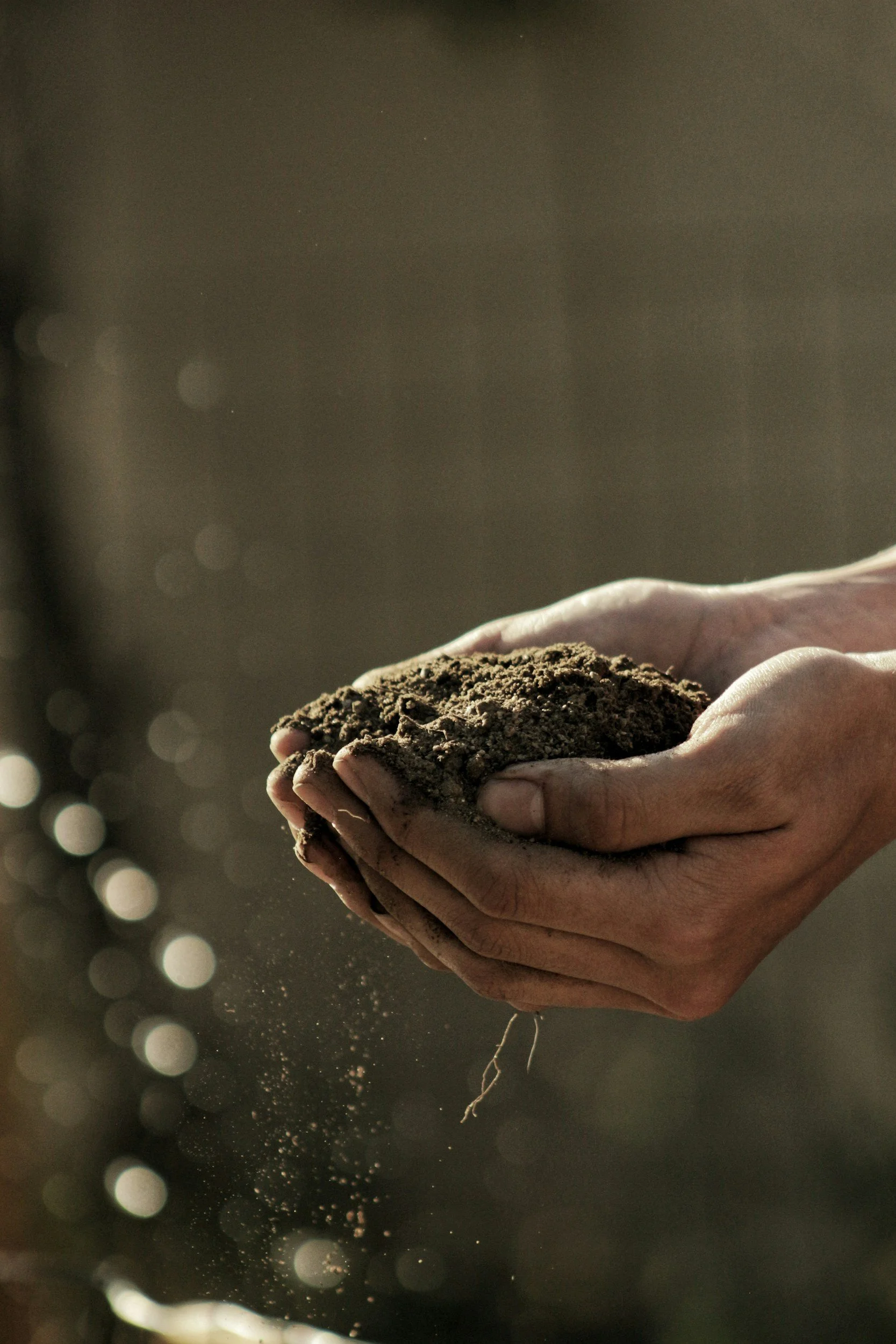
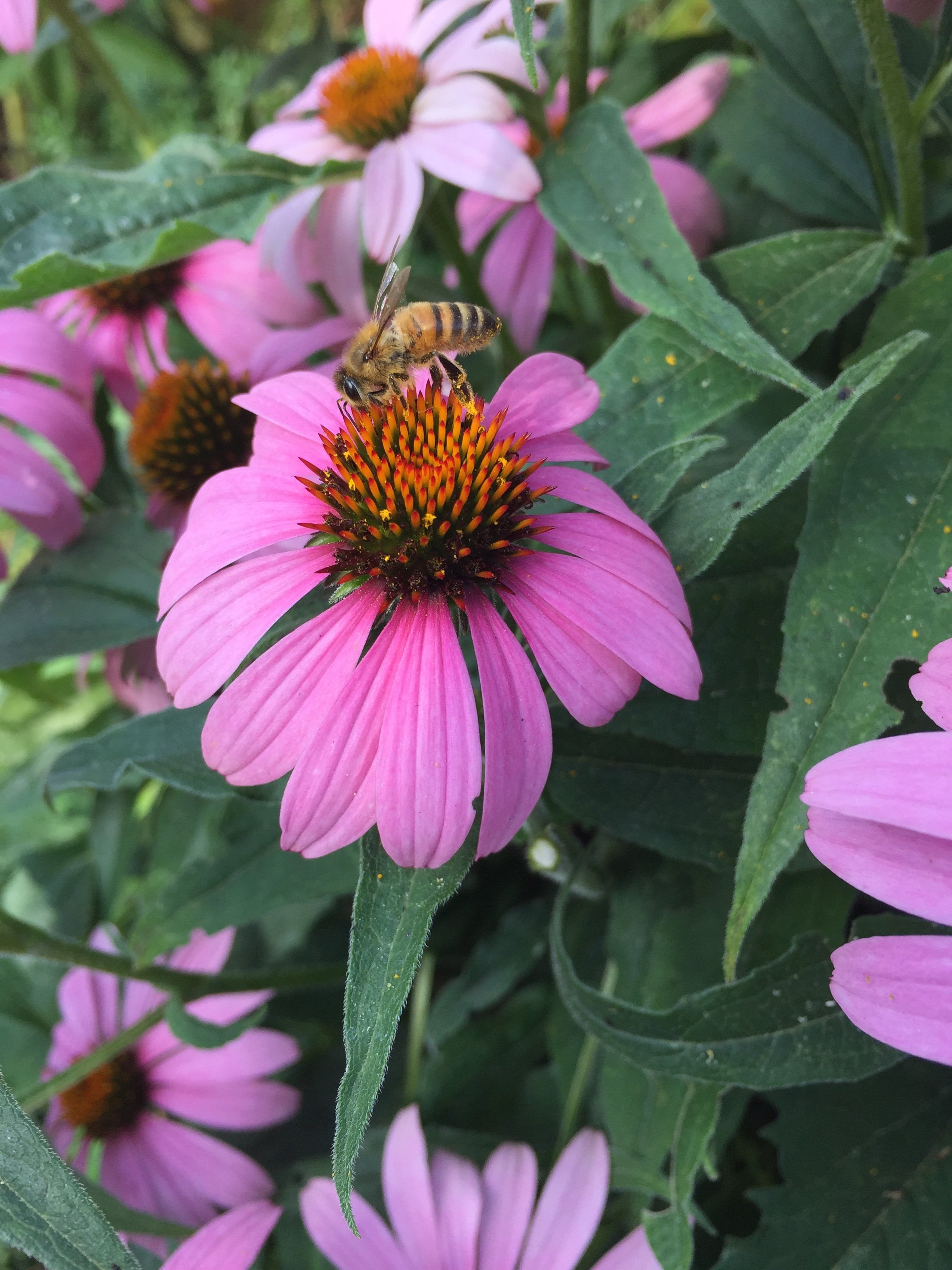
We grow without pesticides to help protect our pollinators and focus on soil health, using only compost and OMRI-listed organic inputs when necessary.
Raised beds are maintained using a no-dig method, resulting in minimal weed pressure, while other growing areas are low-till.
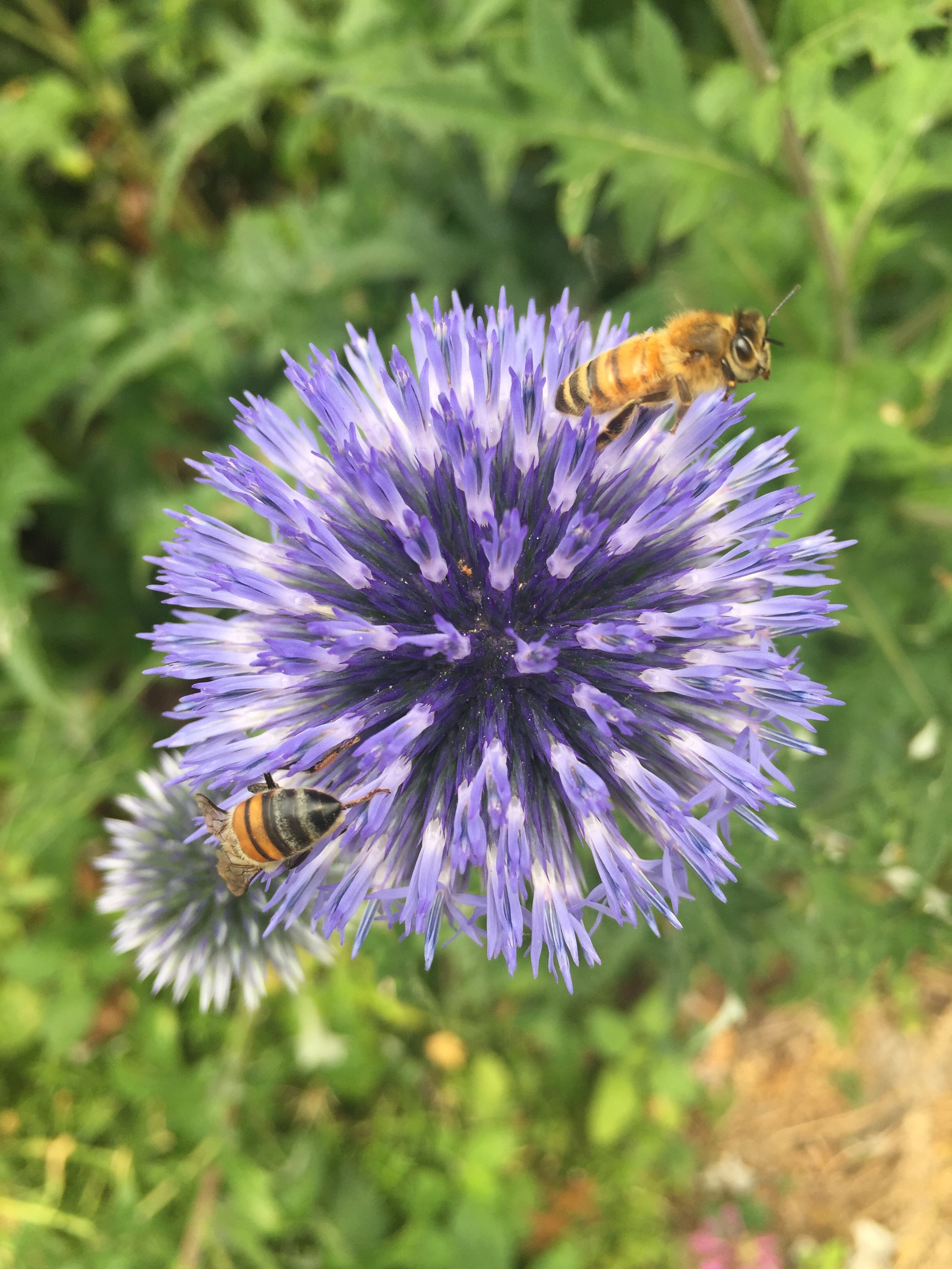
Protecting Biodiversity
We do our utmost not to grow or design with invasive flowers or plants: invasive as listed on the site below, and includes Class A, Class B, Class C noxious weeds, as well as plants on the Monitor and Quarantine List -
Reducing Plastic in the Field
Instead of plastic Hortonova netting, we use concrete reinforcement wire mesh for flower support—durable, reusable, and easily adapted to our needs.
For crops like dahlias, we use 3mm cotton macramé rope for staking. While more labor and time intensive, it significantly reduces plastic use. We have not had issues with it sagging due to no overhead watering for those crops.
We mulch heavily, so have avoided any use of landscape fabric (which is made from polypropylene, a synthetic type of plastic)
Propagation
We continue to use our long-owned plastic propagation trays until they are no longer viable. When they reach the end of their life, we will transition to soil blocking, further reducing plastic dependency.
Thoughtful Use of Natural Resources
Water
We collect rainwater using four 55-gallon barrels fed from our roof. While this currently supports one month of summer growing, we plan to expand our collection system with a pump when we move to a larger property.
Soil & Compost
Most green waste is composted on-site. Materials unsuitable for home composting (such as weed seeds) are sent to the city’s green waste program for commercial composting.
We use cover crops or bed coverings during the wet season to reduce erosion and manage water runoff.